
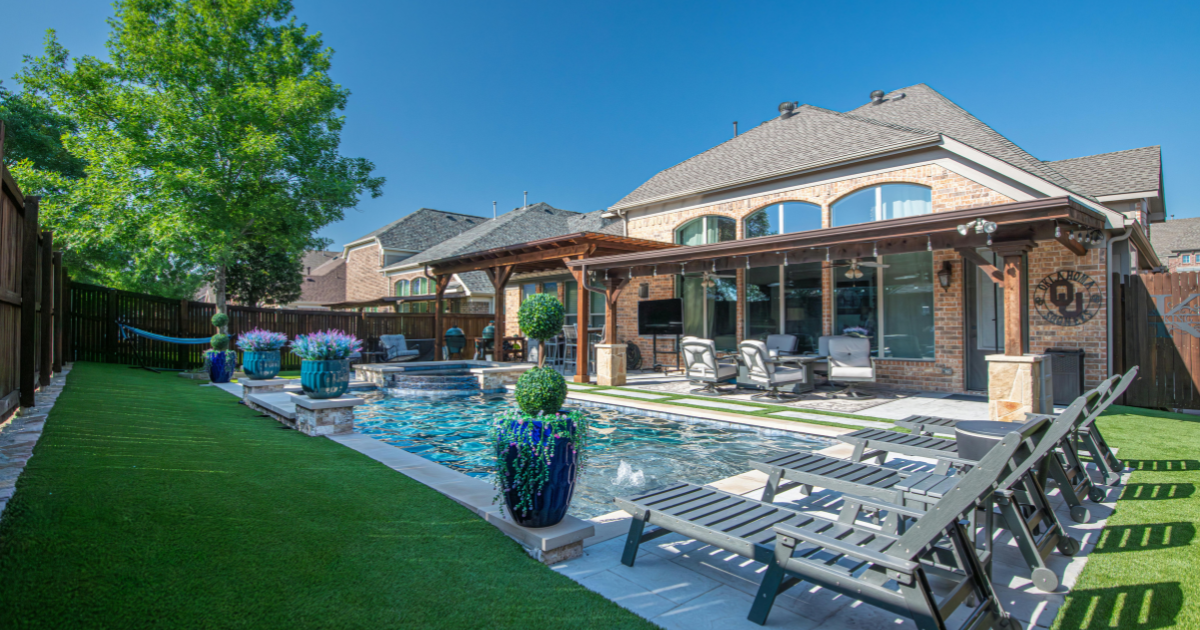
How much backyard do you need for a pool? Get key information on safety rules, space planning, and size tips so you can plan your pool project with confidence.
There is something relaxing about stepping into your own backyard and knowing you can cool off anytime you want.
If you have ever stood outside and tried to imagine a pool sitting right there, you are not alone.
Many homeowners think about it, then stop themselves because they are unsure if their yard is big enough.
I have been there too, staring at a small patch of ground and trying to picture a full pool in it.
You want it to fit well, look good, and still leave you space to move around.
The good news is that you do not always need a huge backyard.
What you really need is a clear understanding of pool sizes, safety rules, local regulations, and the extra space that makes the pool area feel comfortable.
This guide breaks everything down into simple steps so you feel confident in your decision.
Minimum Space Needed For A Pool
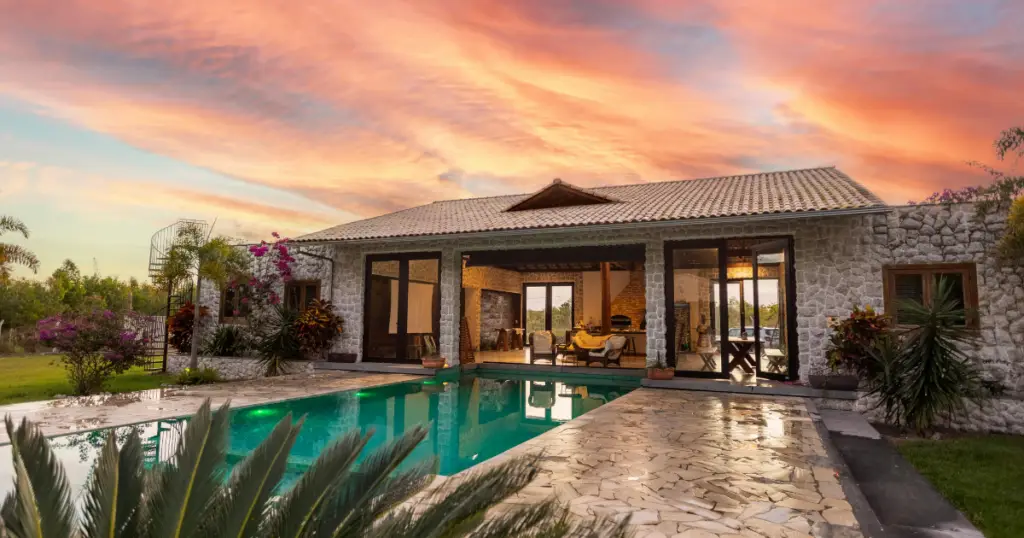
When you want to know how much backyard do you need for a pool, you want a clear answer that actually helps you picture it.
Most standard in-ground pools start around 10 by 20 feet, and that size alone already tells you that you need extra space around it.
You never want your pool squeezed into a tight corner because it feels unsafe and uncomfortable.
Most installers recommend leaving at least 5 to 8 feet of extra space around all sides of the pool.
This is not only for walking. Builders also need working room during construction.
For a 10-by-20-foot pool, the total footprint quickly approaches 20-by-30 feet once you add space for the deck, safety paths, and equipment.
You should also note that many areas require pool setbacks, which means the pool must sit a certain distance away from your fence or property boundary.
These rules vary, but many local codes require at least 5 feet. Some require more.
If your yard feels open but you still want privacy, you can add a divider such as a screen.
A service like privacy screen installation can help you create a peaceful space without needing a bigger yard.
Here is a simple way to calculate what you need:
1. Start with the pool size you want.
Example: 12 by 24 feet.
2. Add 5 to 8 feet around all sides.
That pushes the footprint to around 22 by 34 feet.
3. Add room for equipment.
Pool pumps and filters usually require a 4-by-4-foot area.
4. Check required setbacks.
This may add another 3 to 10 feet, depending on your city.
Once you put everything together, even a small pool usually needs at least 500 to 800 square feet of clear backyard space.
Cities like Austin, Texas, explain pool space and safety factors clearly on their government website, noting setback rules and minimum clearances in zoning documents.
How Pool Types Change Your Space Needs
Not all pools demand the same amount of backyard space. The type you choose affects how much room you keep for movement, furniture, and safety.
In Ground Pools
These are what most people picture. They look clean and boost home value.
But they need the most space because builders need to bring in excavation equipment.
A standard rectangular in-ground pool usually needs a yard at least 25 feet long to feel comfortable.
Above Ground Pools
These fit better in smaller yards. They can sit closer to your fence because you don’t dig into the soil.
The only downside is that most above-ground pools still require a leveled area that is larger than the pool itself.
Round above ground pools often start at 12 feet in diameter, with many families choosing 18 or 21 feet.
Plunge Pools
These are becoming popular in smaller backyards. Plunge pools are shorter and deeper, sometimes around 8 by 12 feet.
They give you the feeling of a pool without taking over your entire yard.
Industry groups like the Pool and Hot Tub Alliance report that compact pools have become more common due to smaller modern yard sizes.
Fiberglass Pools
These come in prebuilt shapes, so your size options are fixed. Many fiberglass pool makers offer models as small as 10 by 20 feet, which means you can use them in mid sized yards.
The key thing is this: the tighter your yard, the more you should lean toward plunge pools or compact fiberglass choices.
Local Rules And Safety Requirements
Even if your yard is big enough, your local regulations may affect what you can build.
You always want to check your city or county rules before spending money.
Here are the main points you should expect:
1. Setbacks
A setback prevents the pool from being built too close to fences or homes. Many cities require between 3 and 10 feet.
2. Pool Barriers
Most countries require a fence around the pool for child safety. In the United States, the Consumer Product Safety Commission recommends a fence at least 48 inches high.
This fence needs its own space in your backyard.
3. Utility Lines
If you have utility lines underground, your builder needs a safe distance from them. This often changes the placement and size of your pool area.
4. Drainage And Slopes
Sloped yards may need retaining walls. Flat yards need drainage channels. All of this adds extra space.
5. Equipment Codes
Pumps and filters usually must sit a set distance from windows because of noise limits.
Once you understand these rules, you will be able to make realistic plans.
Many homeowners get surprised by setback rules, so checking early saves time.
Space For Poolside Comfort And Movement
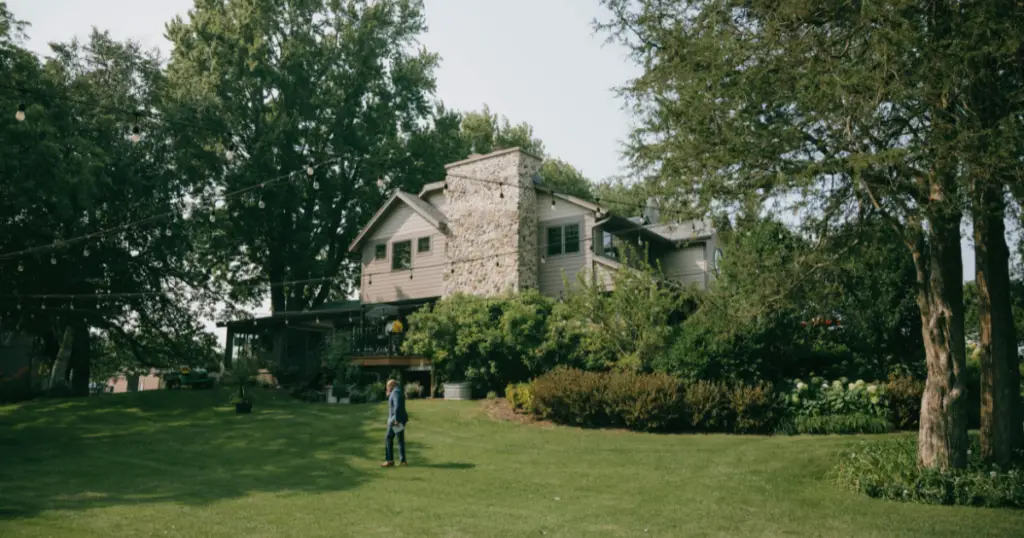
Even if you fit the pool itself, you still want the area around it to feel open.
I have seen yards where the pool technically fits, but walking around it feels tight. It takes away the joy of using the pool.
Think of these poolside extras that need space:
1. Decking Or Paving
Most people add 3 to 5 feet of decking around the pool so you can walk safely. Without this, water makes the ground muddy.
2. Seating And Shade
You may want a small table, lounge chairs, or even an umbrella. Each chair uses around 3 by 6 feet.
3. Storage
You need a place for floaters, cleaning tools, and chemicals. A small box or shed can take 4 to 6 square feet.
4. Pathway To Your Home
Walking from your back door to the pool without stepping on wet grass feels nicer and cleaner.
Even these small items can add up fast. That is why planning space is as important as choosing the pool itself.
Examples Of Yard Sizes And What Fits
To make things easy, here is a simple guide based on common yard sizes:
Small Backyards
If your yard is around 800 to 1200 square feet, you can install:
A plunge pool
A small above ground pool
A compact fiberglass pool
These fit well when you leave enough room for seats and safety pathways.
Medium Backyards
With 1500 to 2500 square feet, you can install:
A standard in-ground pool
A large above ground pool
You can also add a small deck, seating area, and some landscaping.
Large Backyards
Anything above 2500 square feet gives you enough room for:
Full rectangular pools
Lap pools
Wide decks and shaded sections
These yards give you more design freedom.
The Centers for Disease Control also notes that backyard pools, when built with proper safety space, help reduce injury risks
This supports the idea that more space around the pool is always better.
Conclusion
So now you know how much backyard do you need for a pool, and you can picture it clearly.
Your yard does not have to be massive, but it should have enough space for the pool itself, walking space, safety rules, and the extras that make the area comfortable.
When you measure your yard and compare it with the size of the pool you want, you can make a sure decision without guessing.
Planning well from the start helps your project go smoothly, saves you money, and gives you a pool area you will enjoy for many years.

