

Are baby clothes unisex? Learn what unisex baby clothing really means, how to shop smart, and why parents love neutral styles today.
“Babies don’t need pink or blue. They need comfort.” That idea has shaped how modern parents shop today.
According to a report by The NPD Group, neutral baby clothing sales have grown as parents focus more on comfort and reuse than color rules.
That shift explains why so many parents shopping for baby clothes now ask the same thing: are baby clothes unisex?
You see it in stores, at baby showers, and online. Racks are filled with soft creams, earthy greens, simple stripes, and cozy fabrics that work for any baby.
This guide explains what unisex baby clothes really are, why they matter, and how you can choose them with confidence.
What “Unisex” Baby Clothes Really Mean
Unisex baby clothes are outfits designed to work for any baby, without leaning into traditional boy or girl themes.
That usually means:
- Neutral colors like beige, gray, white, sage, and tan
- Simple patterns such as stripes, dots, animals, or nature prints
- Comfort-first designs with soft fabrics and easy snaps
- Practical fits that allow room to grow
Unisex does not mean boring. Many modern designs are thoughtful, stylish, and timeless.
They just avoid loud messages or graphics that limit who can wear them.
Why Parents Choose Unisex Baby Clothes More Than Ever
Parents today are practical. They want clothes that make life easier, not harder.
Here’s why unisex baby clothes are a smart choice:
- They last longer
You can reuse them for future babies without worrying about gender. - They save money
Fewer outfits need replacing. One wardrobe can serve many stages. - They make gifting easier
Friends and family don’t stress about guessing the baby’s gender. - They focus on comfort
Soft fabric and good fit matter more than color.
I’ve seen parents buy one neutral sleeper and use it day after day. When something works, you stick with it.
Are Unisex Baby Clothes Good for Newborns?
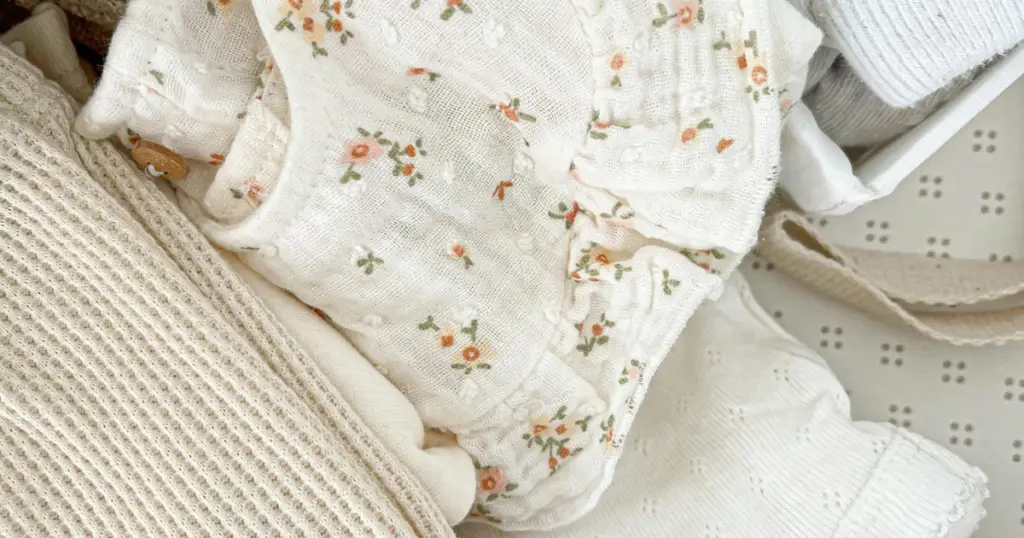
Yes. In fact, newborns benefit the most from unisex clothing.
Newborn needs are simple:
- Warmth
- Soft fabric
- Easy diaper changes
Unisex newborn outfits usually offer:
- Snap closures or zippers
- Tag-free labels
- Breathable cotton or bamboo blends
According to the American Academy of Pediatrics, babies have sensitive skin and should wear soft, breathable fabrics. Color does not matter nearly as much as material and fit.
Unisex vs Gendered Baby Clothes: What’s the Difference?
Here’s a clear comparison to help you decide.
Unisex Baby Clothes
- Neutral colors and designs
- Easy to reuse and share
- Timeless style
- Practical for daily wear
Gendered Baby Clothes
- Color-specific themes
- Often trend-based
- Harder to reuse
- Can limit outfit options
Neither option is wrong. Many parents mix both. Unisex clothes often form the base wardrobe, with a few fun extras added in.
Are Unisex Baby Clothes Better for Baby Showers?
Yes, especially when you don’t know the baby’s gender.
Unisex baby clothes are one of the safest and most appreciated baby shower gifts.
They work well because:
- Parents can use them right away
- They match almost any nursery style
- They reduce duplicate outfits
That’s why many gift buyers in baby shower gifts stores lean toward neutral sets, sleepers, and swaddles.
What Colors Are Considered Unisex for Baby Clothes?
Unisex colors have expanded far beyond white and gray.
Popular choices include:
- Cream and ivory
- Olive and sage green
- Mustard and soft yellow
- Rust and warm brown
- Light blue paired with neutral prints
Design matters more than color alone. A soft blue onesie with animals or stripes often feels more neutral than a bright blue shirt with bold text.
Do Unisex Baby Clothes Affect a Child’s Identity?
No. Clothing does not shape a baby’s identity.
Babies respond to:
- Care
- Comfort
- Routine
Experts in early childhood development agree that identity develops through relationships and experiences, not outfit colors.
According to Zero to Three, babies form a sense of self through connection and care, not visual labels.
Unisex clothing simply gives parents flexibility.
What to Look for When Buying Unisex Baby Clothes
If you want quality and value, focus on these details:
Fabric First
- Organic cotton
- Bamboo blends
- Soft, breathable materials
Easy Care
- Machine washable
- Durable stitching
- Holds shape after washing
Practical Design
- Stretchy necklines
- Snaps or zippers
- Comfortable seams
When shopping for children’s clothes, parents often choose pieces that survive daily wear and constant washing.
Are Unisex Baby Clothes Trendy or Timeless?
They’re both, but mostly timeless.
Trends change fast. Comfort does not.
Unisex baby clothing tends to avoid slogans or trendy graphics. That keeps styles wearable year after year.
Many parents pass down the same neutral outfits from baby to baby without them feeling outdated.
How Unisex Baby Clothes Help with Sustainability
Sustainability matters to many families now.
Unisex clothing supports sustainability by:
- Reducing waste
- Encouraging reuse
- Limiting fast fashion buying
According to ThredUp’s Resale Report, reusing clothing significantly lowers environmental impact.
Baby clothes that last longer and serve multiple children support that idea naturally.
Unisex Baby Clothes for Toddlers and Growing Kids
Unisex clothing doesn’t stop at infancy.
Many parents continue choosing neutral styles for:
- Play clothes
- Sleepwear
- Daycare outfits
That’s common when shopping for Kids clothes and toddlers clothes.
Neutral joggers, tees, and pajamas work well for active kids and simplify daily dressing.
Are Unisex Baby Clothes Widely Available?
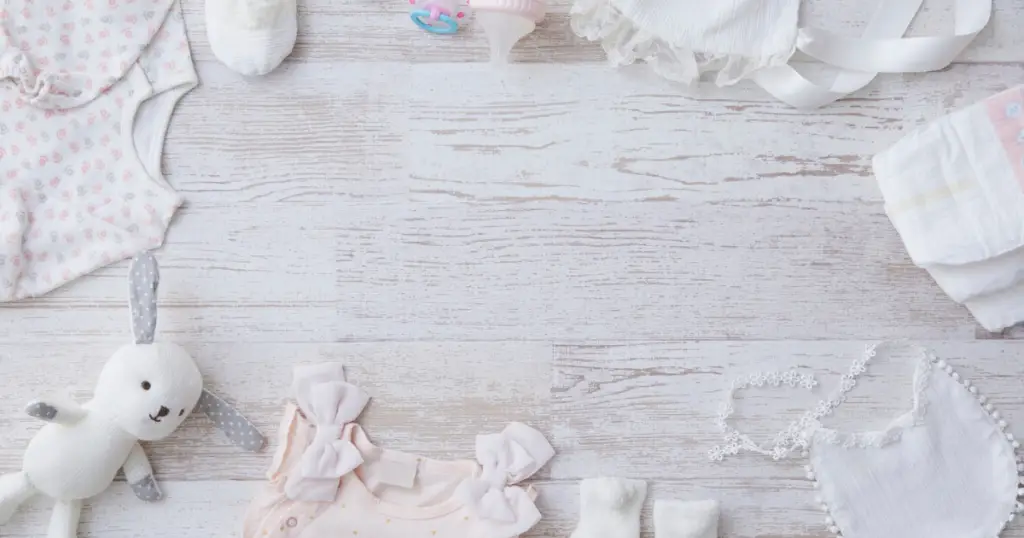
Yes. More than ever.
Boutique shops and local retailers now stock large unisex collections.
Many parents prefer shopping at a children’s boutique location because curated selections often focus on quality, comfort, and neutral styles.
Local boutiques also tend to carry:
- Ethical brands
- Better fabric quality
- Thoughtful sizing
Common Myths About Unisex Baby Clothes
Let’s clear up a few misunderstandings.
Myth: Unisex clothes are plain
Truth: Many designs are stylish and well-made
Myth: Babies need gendered clothing
Truth: Babies need comfort, not labels
Myth: Unisex means expensive
Truth: Neutral clothes often save money long-term
How to Build a Unisex Baby Wardrobe
You don’t need much to get started.
A simple unisex baby wardrobe includes:
- 5–7 neutral onesies
- 3–5 sleepers
- 2 sweaters or layers
- 1–2 special outfits
This setup works for daily wear, outings, and photos.
Conclusion
So, are baby clothes unisex? Yes, and for good reason. Unisex baby clothes focus on comfort, flexibility, and value.
They make life easier for parents, simplify gifting, and support reuse and sustainability.
More families now choose neutral styles because they work better, last longer, and feel right for modern parenting.
When you shop with comfort and quality in mind, unisex baby clothes aren’t just an option. They’re a smart choice.