

Can you claim car repair on taxes? Learn when repairs are deductible, who qualifies, and how to avoid costly mistakes with clear examples.
You’ve probably had that moment. Your car breaks down, the mechanic hands you a bill, and you think, “Wait… can you claim car repair on taxes?”
It’s a fair question. I’ve asked it myself after a painful repair bill that felt like it came out of nowhere.
If you’ve ever searched for a trusted Mechanic Athens GA, or anywhere else, you already know repairs aren’t cheap.
So it makes sense to wonder if you can get some of that money back during tax season.
Let’s walk through this properly so you know exactly where you stand.
Can You Claim Car Repair on Taxes for Personal Use?
Here’s the truth most people don’t like hearing:
If you use your car only for personal reasons, you cannot claim car repair on taxes.
That means:
- Driving to work (as an employee)
- Running errands
- School runs
- Weekend trips
None of these qualify.
According to the IRS, personal vehicle expenses are not deductible. It doesn’t matter how expensive the repair was.
Why this rule exists
The tax system separates:
- Personal expenses (not deductible)
- Business expenses (deductible)
Car repairs fall into personal expenses unless your vehicle is used for business.
Can You Claim Car Repair on Taxes If You Use Your Car for Business?
Now this is where things change.
Yes, you can claim car repair on taxes if the car is used for business purposes.
But there’s a catch. It has to be legitimate business use.
Examples that qualify:
- You’re self-employed (freelancer, consultant, contractor)
- You run a small business
- You do delivery work or ride-sharing
- You travel between job sites (not commuting)
According to the IRS Business Use of Car guidelines, you can deduct expenses tied directly to business use.
Two Ways to Claim Car Repair on Taxes

When your car is used for business, you have two main options.
1. Standard Mileage Method
This is the simpler option.
You:
- Track how many miles you drive for business
- Multiply by the IRS mileage rate
For example, the IRS sets a rate each year (like 65.5 cents per mile in recent years).
Important:
If you use this method:
- You cannot separately deduct repairs
- Repairs are already “included” in the mileage rate
2. Actual Expense Method
This is where repairs come in.
You can deduct:
- Repairs
- Fuel
- Insurance
- Maintenance
- Depreciation
But only the business portion.
Example:
Let’s say:
- You use your car 60% for business
- Your repair bill is $1,000
You can deduct:
- $600 (60% of the repair cost)
Can You Claim Car Repair on Taxes as an Employee?
This is where many people get confused.
Years ago, employees could deduct some work-related expenses. But things changed.
Current rule:
Due to the Tax Cuts and Jobs Act:
- Most employees cannot deduct car repairs
- Even if you use your car for work
Exceptions (rare cases):
You might still qualify if you are:
- A reservist in the armed forces
- A qualified performing artist
- A fee-based government official
For most people, though, the answer is still no.
Can You Claim Car Repair on Taxes for a Rental or Business Vehicle?
Yes, and this is often overlooked.
If the vehicle is:
- Owned by your business, or
- Rented for business use
Then repairs are typically fully deductible.
Example:
If your business owns a van used 100% for work:
- Repairs = 100% deductible
This is different from personal vehicles, where you must split usage.
What Counts as a “Car Repair” for Tax Purposes?
Not every car expense is treated the same.
Repairs (deductible under actual method):
- Fixing brakes
- Replacing a radiator
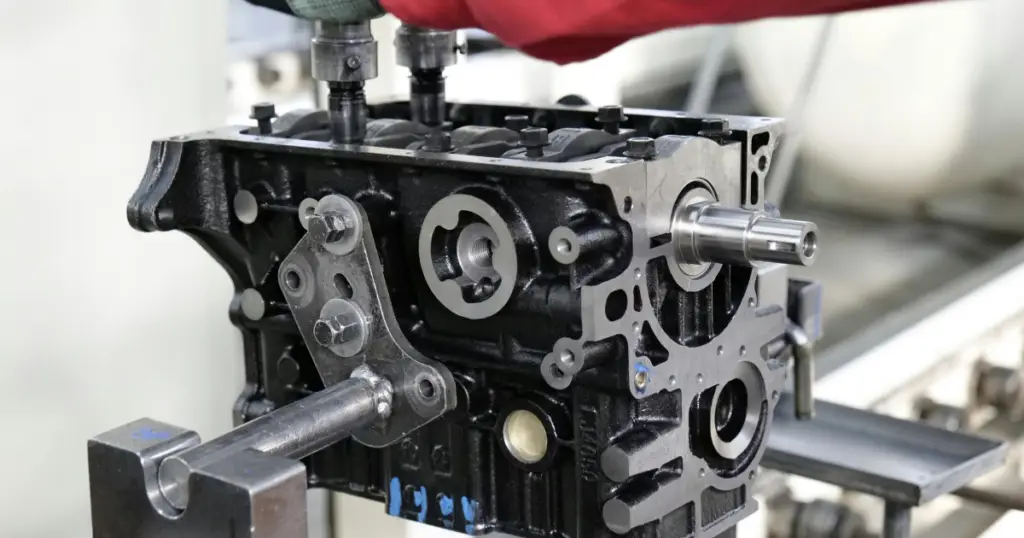
- Engine repairs
- Tire replacements (in many cases)
Maintenance (also deductible):
- Oil changes
- Tire rotation
- Fluid top-ups
Improvements (treated differently):
- New engine upgrades
- Custom parts
- Major upgrades
These may need to be depreciated over time, not deducted all at once.
The IRS Publication 463 explains this in detail.
How to Track Repairs Properly (So You Don’t Get in Trouble)
If you plan to claim car repair on taxes, documentation matters. A lot.
I learned this the hard way when I couldn’t prove part of my expenses years ago. That’s money I never got back.
Keep these records:
- Receipts for all repairs
- Mileage logs (business vs personal)
- Dates and purpose of trips
- Payment proof (bank or card statements)
Simple tracking tips:
- Use a mileage tracking app
- Keep a folder (digital or physical)
- Write notes right after trips
According to the IRS recordkeeping guidelines, clear records protect you during audits.
Common Mistakes People Make
Let’s save you from a few costly errors.
1. Claiming 100% of repairs
Even if you use your car for business, you must:
- Split between business and personal use
2. Mixing methods
You can’t:
- Use mileage rate and claim repairs
Pick one method.
3. No mileage log
This is the biggest red flag in audits.
No proof = no deduction.
4. Claiming commuting as business use
Driving from home to work:
- Does NOT count
When It Actually Makes Sense to Claim Repairs
Here’s a practical way to think about it.
Use the actual expense method if:
- You have high repair costs
- Your car is heavily used for business
- You keep good records
Use mileage method if:
- You want something simple
- Your repair costs are low
- You don’t want to track every expense
Sometimes, I’ve seen people save more with mileage even after big repairs. It depends on your situation.
Can You Claim Car Repair on Taxes If You’re Self-Employed?
Yes, and this is where most deductions happen.
If you’re self-employed:
- Repairs can reduce your taxable income
- Lower income = lower tax bill
Real-world example:
- You earn $50,000
- You deduct $5,000 in car expenses
You’re taxed on:
- $45,000 instead of $50,000
That difference matters.
The IRS Self-Employed Tax Center confirms this structure.
Quick Summary (So You Don’t Forget)
Here’s the simple version:
- Personal use?
You cannot claim car repair on taxes - Business use?
You can claim part or all of it - Employee?
Usually not deductible - Self-employed?
Yes, if properly documented - Using mileage method?
Repairs are already included
Conclusion
Car repairs can feel like money down the drain. I’ve been there, staring at a bill and wondering if there’s any way to soften the hit.
The good news is, there is a way, but only if your car is tied to business use.
If you take one thing from this, let it be this:
Your car repair becomes a tax benefit only when your car becomes a business tool.
Track your usage, keep your receipts, and choose the right method. That’s how you turn an annoying expense into something that actually works in your favor.

